
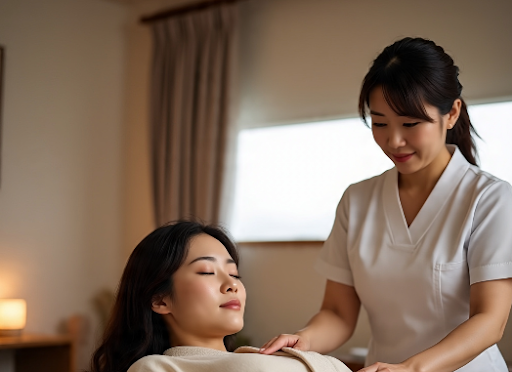

In the pursuit of optimal physical performance and overall health, individuals often explore various strategies to improve circulation and maintain healthy, functional muscles. While exercise, nutrition, and hydration are commonly emphasized, massage therapy is a powerful yet often underappreciated tool in achieving these goals. Beyond relaxation and stress relief, massage plays a crucial role in enhancing blood flow, supporting muscular function, and promoting overall physical vitality. https://www.vivigimassage.com/sinchon This article delves into how massage therapy positively influences circulation and muscle performance, the science behind these benefits, and practical ways to incorporate it into fitness and wellness routines.
Understanding the Relationship Between Circulation and Muscle Health
Proper blood circulation is essential for maintaining healthy muscles and tissues. Blood carries oxygen and essential nutrients to cells while removing metabolic waste products that can impair function and contribute to fatigue. When blood flow is insufficient, muscles may experience reduced oxygenation, slower recovery, and diminished performance.
Muscles, in particular, are highly dependent on adequate circulation. During physical activity, they require a constant supply of oxygen and nutrients to sustain contractions and support energy production. Furthermore, efficient removal of lactic acid and other metabolic byproducts prevents soreness and stiffness. Massage therapy enhances these processes, ensuring muscles are nourished, flexible, and ready for optimal performance.
How Massage Stimulates Blood Flow
Massage therapy improves blood circulation through several mechanisms. The mechanical action of kneading, stroking, and applying pressure to muscles stimulates the vascular system. These movements dilate blood vessels, improve capillary function, and encourage the flow of oxygen-rich blood to tissues.
Additionally, massage promotes venous return—the process by which blood flows back to the heart. This is particularly important for individuals who spend long hours sitting or standing, as sedentary lifestyles can slow circulation and lead to fluid accumulation in the lower extremities. By enhancing venous return, massage reduces swelling, promotes detoxification, and maintains a healthy balance of fluids throughout the body.
The lymphatic system, which is closely linked to the circulatory system, also benefits from massage. Lymphatic drainage techniques use gentle, rhythmic pressure to encourage the movement of lymph fluid, helping to remove toxins, waste products, and excess fluids. By supporting both blood and lymph circulation, massage provides a comprehensive boost to the body’s delivery and removal systems, creating an optimal environment for muscle health.
Reducing Muscle Tension for Improved Performance
Tense muscles are not only uncomfortable but can also hinder performance. Stiff muscles restrict range of motion, reduce coordination, and increase the risk of injury. Massage therapy addresses this by loosening tight fibers, breaking down adhesions, and improving tissue elasticity.
Techniques such as deep tissue massage, myofascial release, and trigger point therapy target specific areas of tension. By releasing these restrictions, massage enhances muscle flexibility, promotes better posture, and supports efficient movement patterns. Flexible, relaxed muscles perform more effectively during physical activity, allowing for smoother motion, greater strength output, and reduced fatigue.
Accelerating Recovery and Reducing Fatigue
Physical exertion, whether through exercise, sports, or daily activities, leads to microtears in muscle fibers and accumulation of metabolic byproducts like lactic acid. These factors contribute to delayed onset muscle soreness (DOMS), fatigue, and temporary performance decline.
Massage therapy accelerates recovery by stimulating blood flow and facilitating the removal of metabolic waste. Improved circulation delivers nutrients required for muscle repair while reducing inflammation and swelling. Athletes and fitness enthusiasts often use massage as part of a post-workout recovery routine, experiencing faster restoration of strength, reduced soreness, and improved readiness for subsequent training sessions.
Enhancing Neuromuscular Function
Muscle performance is not solely dependent on blood flow; it also relies on the coordination between nerves and muscle fibers. Massage therapy positively influences neuromuscular function by stimulating sensory receptors in the skin, muscles, and connective tissues. These receptors send signals to the nervous system, which can help modulate muscle tone, improve proprioception (awareness of body position), and optimize motor control.
Through these mechanisms, massage therapy helps the body move more efficiently, respond faster, and generate strength with less effort. Athletes often report improved balance, agility, and overall performance after consistent massage treatments, highlighting its value in both professional and recreational fitness programs.
The Role of Massage in Injury Prevention
Enhanced blood flow, reduced muscle tension, and improved neuromuscular function all contribute to lower injury risk. Tight or fatigued muscles are more susceptible to strains, sprains, and tears. By promoting relaxation and maintaining flexibility, massage therapy prepares muscles and connective tissues for physical stress, reducing the likelihood of injury during exercise or daily activities.
Additionally, massage can address imbalances between muscle groups that often lead to overuse injuries. For instance, prolonged sitting may cause tight hip flexors and weak glutes, increasing the risk of lower back strain. Targeted massage helps release these tight areas, restore muscular balance, and support healthy movement patterns.
Scientific Evidence Supporting Massage for Circulation and Muscle Performance
Multiple studies have demonstrated the effectiveness of massage therapy in enhancing blood flow and improving muscular function. Research indicates that massage can increase local circulation by 20–30%, providing a significant boost to tissue oxygenation and nutrient delivery. Studies also show that athletes receiving regular massage experience reduced DOMS, improved flexibility, and faster recovery times compared to those who do not use massage as part of their regimen.
These benefits extend beyond athletes. Individuals experiencing chronic muscle tension, postural strain, or sedentary-induced stiffness also report improved circulation, reduced pain, and increased functional mobility following massage therapy. 서대문구 출장마사지 추천 Scientific findings consistently support the role of massage as both a preventative and restorative intervention for muscle health.
Practical Applications of Massage Therapy
Massage therapy can be integrated into a physical wellness routine in several ways:
- Pre-Workout Massage: Light, dynamic massage or sports massage before physical activity can stimulate blood flow, warm up muscles, and enhance performance.
- Post-Workout Recovery: Deep tissue or myofascial massage after exercise supports recovery by reducing soreness, eliminating metabolic waste, and restoring flexibility.
- Regular Maintenance Sessions: Weekly or biweekly sessions can prevent chronic muscle tension, improve circulation, and maintain overall muscular health.
- Targeted Problem Areas: Individuals with specific issues, such as tight shoulders, stiff hamstrings, or low back discomfort, can benefit from focused massage to restore optimal function.
- Self-Massage and Tools: Foam rollers, massage balls, and percussive therapy devices provide supplemental circulation and tissue release between professional sessions.
Consistency is key. The cumulative effects of regular massage support long-term muscle performance, reduce injury risk, and maintain optimal circulation.
Complementary Benefits
While the primary focus of massage in this context is circulation and muscle performance, additional benefits enhance overall physical wellness:
- Stress Reduction: Relaxation achieved through massage reduces sympathetic nervous system activity, lowering cortisol levels and improving mental focus.
- Improved Sleep: Enhanced circulation and reduced tension contribute to better sleep quality, which is essential for muscle repair and energy restoration.
- Pain Relief: Massage reduces chronic and acute pain by releasing tight tissues and stimulating natural pain-relieving chemicals like endorphins.
- Increased Energy Levels: By promoting efficient blood flow and muscle function, massage supports higher energy and stamina throughout the day.
These complementary benefits create a holistic approach to physical wellness, integrating muscular, circulatory, and neurological health.
Safety Considerations
Massage therapy is generally safe for most individuals, but certain precautions should be considered. People with acute injuries, skin infections, blood clotting disorders, or cardiovascular conditions should consult a healthcare provider before starting massage treatments. Certified and trained massage therapists can adjust pressure, techniques, and duration to ensure safety and effectiveness for individual needs.
Conclusion
Massage therapy is a powerful tool for enhancing blood flow and muscle performance. By improving circulation, reducing muscle tension, promoting recovery, and supporting neuromuscular function, it helps individuals achieve optimal physical function and overall vitality. Whether incorporated into pre- and post-workout routines, used for chronic tension relief, or applied as part of long-term wellness maintenance, massage therapy offers measurable benefits for anyone seeking to maximize their physical potential.
By integrating regular massage into a comprehensive health plan—including exercise, proper nutrition, hydration, and rest—individuals can maintain flexible, strong, and well-functioning muscles while minimizing fatigue and injury risk. The science and practical outcomes of massage therapy confirm that it is not just a luxury or indulgence, but a smart, proactive choice for anyone committed to achieving lasting physical wellness.