
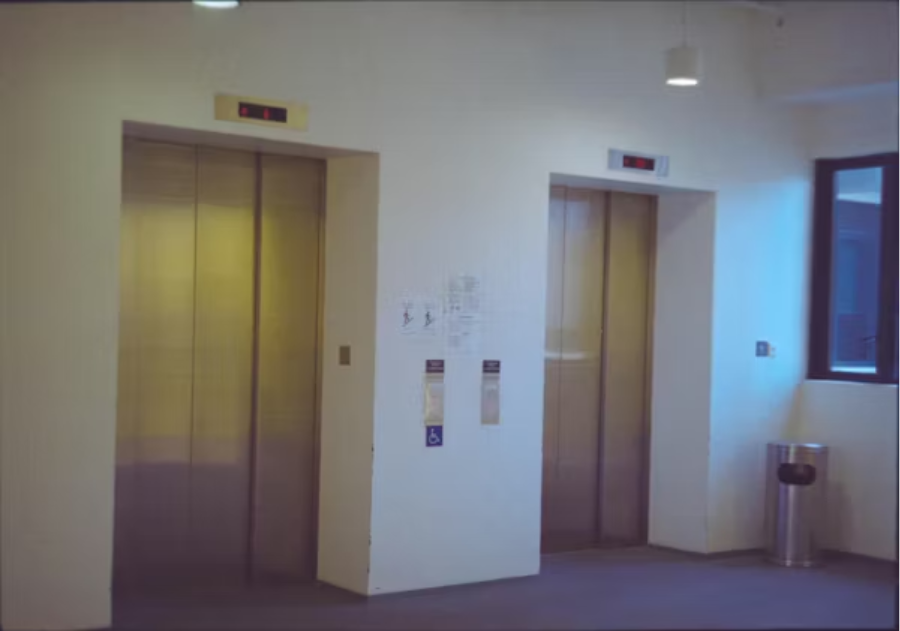
Elevators are the most used machinery in buildings and are prone to breakdowns and failures. Elevators should be repaired or replaced when needed. However, whether an elevator needs replacement or an upgrade depends on several factors. Building owners should know the difference between replacement and upgradation, and when to opt for these processes.
Elevator replacement is the process in which the entire elevator unit is replaced with a new one. The project of replacing an elevator is expensive, time-consuming, and causes disruptions for the people using the elevators in a building.
Upgrading an elevator means its different parts are repaired or replaced when needed. The process of upgrading an elevator is a cost-effective one and does not cause many hassles for the users.
When to Consider Elevator Replacement
The process of elevator replacement must be undertaken after considering several factors, as it requires a high investment. When an old elevator is replaced, the result is a more efficiently operating machine that is safe and reliable for transportation. Building owners must consider replacing the existing elevator when:
- The elevator has been continuously used for more than 10 years
- The elevator is prone to failure and breakdown very often, which leads to disturbances in people flow in the building
- The elevator does not have the latest features and technology
- The elevator compromises the safety of users
- The elevator makes a lot of noise and moves with jerks
- The elevator does not have any energy-efficient features
- The different parts of the elevator are outdated and no longer available in the marketplace
- The elevator needs many repairs, leading to a high cost of maintenance and operations
When to Consider an Elevator Upgrade
Upgrading or modernizing an elevator is the process in which the different parts of the elevator that are faulty are repaired or replaced. Upgrading an elevator is considered a better option compared to elevator replacement because it is a cost-effective process of ensuring that an elevator keeps performing optimally for a long time, without requiring to be overhauled completely.
Building owners can consider elevator upgradation when:
- The elevator starts to function and move more slowly than its stated speed. This leads to longer waiting times and poor performance of the elevator. The slow speed of the elevator is caused by old control systems. If these control systems are replaced by new tech-savvy systems, the problem of slow movement of elevators can be solved.
- The elevator makes sounds and has a jerky start and stop. This problem is because the motor and traction system of the elevators become faulty. Replacing or repairing these parts can get rid of the noises and the jerky movements.
- The elevator starts using more energy. An elevator consumes more energy when its braking system or hydraulic pumps are outdated and not energy-efficient. This leads to high operational costs. The problem can be handled by using regenerative braking systems that renew and reuse excess energy.
- The technology does not have innovative and smart features. This problem can be managed by integrating the latest technological features, like voice control and face recognition, in the elevator.
To Sum It Up
In a building, whenever the building administrators are made aware that the existing elevators are not functioning properly or break down often, they have two options: replacement or upgradation of the elevators. Elevator replacement is a complex and expensive process compared to upgrading an elevator. Building owners should analyze the pros and cons of replacing and upgrading an elevator before making a final decision.