
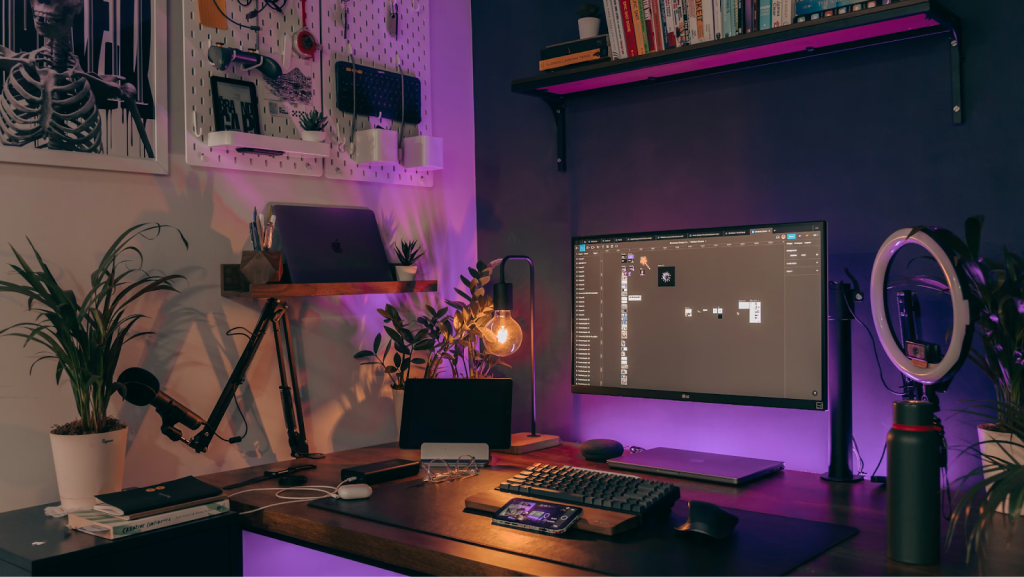
Remote work sounds simple until the desk turns into a mess of cables, mugs and random tech. A minimalist setup tries to avoid that chaos. The idea is not to create a perfect picture for social media, but to build a corner that supports long workdays without constant back pain or visual noise. The same minimalist thinking can be seen in modern bed design, where clean lines and simple structures help create a calm and uncluttered environment.
Minimalism in a workspace works in the same way as clear rules in online sicbo. There is a small set of elements, each with a clear function, and that structure makes the whole experience calmer. A remote desk does not need endless gadgets. It needs a few well chosen items that help the body and keep attention on real tasks.
Look at the room before buying anything
Many people start with a shopping list and then fight with the limits of a tiny room. A smarter path begins with observation. Where does natural light fall during the day. Which corner feels quietest. Where can a chair actually fit without blocking the door. These simple questions shape the setup more than any expensive accessory.
Side light is usually kinder to the eyes than light directly behind or in front of the screen. A curtain or cheap blind can remove harsh glare. Even in a studio apartment, one defined work spot is possible. When the laptop appears only in that zone, the brain slowly starts to link that place with concentration rather than scrolling.
Essential items for a calm and minimal desk
Once the location is clear, attention can move to equipment. The goal is to choose only what really helps, so the surface stays open and easy to clean.
Core elements of a minimalist workstation
- a laptop or monitor with comfortable brightness and sharp text for long reading
- a simple stand to lift the top of the screen roughly to eye level
- a separate keyboard and mouse or trackpad to avoid bent wrists and shoulders
- a stable chair with a firm seat and height that lets feet rest flat
- one desk lamp with a focused beam for evening tasks
With this small kit, most knowledge work is already covered. Extra devices, decorations and storage boxes can appear later only when a clear need shows up, not just because a shop display looks attractive.
A short daily reset keeps this gear under control. At the end of work, closing the laptop, wiping the surface and placing the chair back immediately protects the next morning from starting in clutter. Minimalism is less about strict rules and more about removing friction from everyday routines.
Ergonomics that protect the spine
A minimal setup is useless if the body hurts after two hours. Ergonomics matters even in the simplest workspace. Screen height influences neck tension more than most people expect. When the top edge of the display sits near eye level, the neck can stay neutral instead of dropping forward.
Chair position also deserves attention. Knees roughly at a right angle, feet fully supported and weight spread over the sitting bones create a stable base. If the chair is too deep, a small cushion behind the lower back can help maintain natural curves. A laptop on a sofa or bed may feel cozy but often turns the lower back into a permanent C shape.
Small habits that keep the body moving
- standing up for a short walk around the room at least every 30 minutes
- rolling shoulders, turning the head gently and opening the chest during breaks
- changing leg position from flat feet to a light footrest and back again
- drinking water regularly to use refills as micro breaks from the screen
- keeping heavy items off the desk so arms can rest comfortably
These micro movements are more realistic than ambitious workout plans between meetings. Over time, such habits protect joints and muscles without demanding extra willpower.
Cutting both visual and digital clutter
Visual noise eats energy. A desk covered in old notes, empty cups and tangled cables sends a constant message of unfinished business. One small box or drawer for loose objects already makes a big difference. Cable clips or simple ties keep chargers in place so the surface feels quiet.
Digital clutter is just as tiring. A minimalist approach to software means fewer open apps and a clear separation between work tools and entertainment. One communication platform, one task tracker and one document system are usually enough for most roles. During deep work, notifications can stay off, with specific times reserved for checking messages.
A workspace that actually feels kind
The best setup is one that feels easy to live with on a bad day, not only on a perfect day. Minimalist remote work design should reduce guilt, not increase it. A clear desk, supportive chair and sensible screen height remove many small sources of irritation. The mind can then focus on projects, not on discomfort in the neck or the chaos on the shelf.
In the end, a minimalist workstation is not about owning less for its own sake. It is about choosing carefully so the environment quietly supports concentration, health and a feeling of control. With that kind of base, remote work stops being a source of physical stress and becomes a more sustainable part of daily life.